
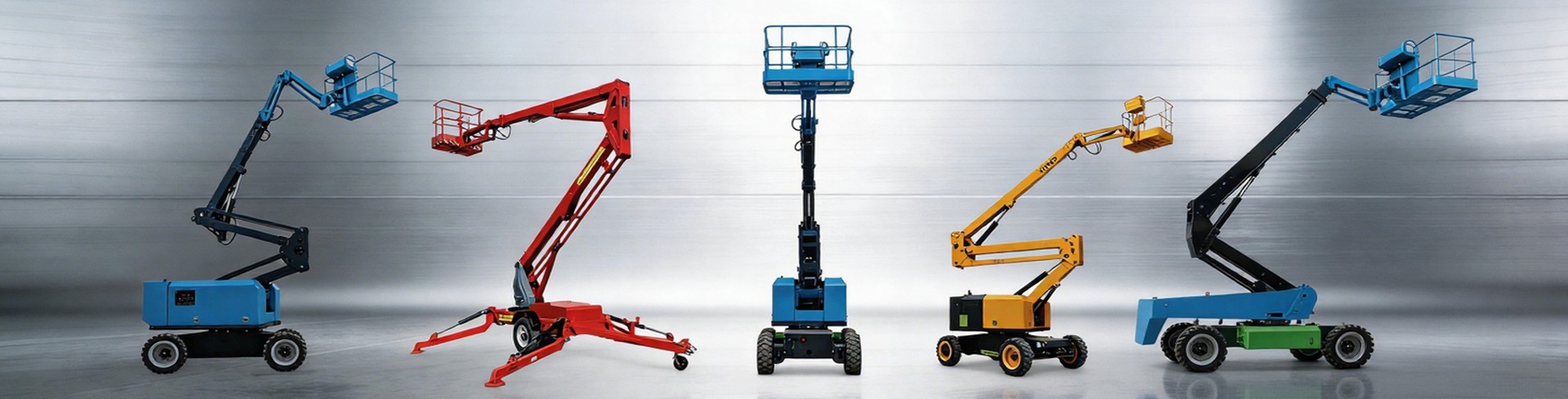
In modern logistics and warehouse management, performance parameters such as product design, manufacturing quality, and technical specifications are key factors in enhancing the efficiency of telescopic boom lift machines. Technical indicators such as lifting speed, load capacity, operational stability, and control systems are all crucial in determining the efficiency of the equipment.High-performance telescopic boom lift machines typically feature faster lifting speeds, greater load capacities, and excellent operational stability. These characteristics can significantly boost efficiency and reduce labor costs.
The skills and experience of the operator are also important factors affecting the efficiency of telescopic boom lifting operations. Skilled operators can quickly determine the weight, volume, and position of goods and operate the equipment accurately, thereby reducing operational errors and waiting times. Operators should also be familiar with the daily maintenance and upkeep of the equipment. Regular maintenance, timely repairs, and the replacement of worn parts can effectively extend the equipment's lifespan, keep it in optimal condition, and prevent downtime due to malfunctions.
The characteristics of the goods and the requirements for handling them will also significantly impact the efficiency of telescopic boom lifting operations. Goods of different shapes, sizes, and weights require corresponding handling methods and equipment configurations. For instance, light and small goods are suitable for handling with electric stackers, while heavy goods require more powerfultelescopicboomlift machines. Additionally, the frequency and distance of goods handling will also affect the efficiency of the equipment. Frequent handling demands and longer handling routes will increase the equipment's operating time and energy consumption, thereby reducing efficiency.