
Wind is one of the most unpredictable and dangerous environmental factors in aerial work. Even moderate wind can cause platform sway, reduced stability, and increased operational risk. Understanding how to operate aerial lift safely in windy conditions is essential for every operator, site manager, and maintenance team.
Before starting any work outdoors, always check the real-time wind speed and compare it with the machine’s rated safe wind limit. Exceeding this limit significantly increases the chance of tipping, swinging, or loss of control. A pre-operation inspection should cover tires, outriggers, chassis, hydraulic systems, and safety controls to ensure everything performs reliably under windy stress.
Smooth and gentle operation is critical. Avoid sudden lifting, fast turning, or extended reach in strong wind, as these movements amplify instability. Keep the platform as low as practical when moving and stay away from open, exposed areas where wind gusts are stronger.
Rough-terrain scissor lift offers exceptional stability in outdoor windy environments with its heavy-duty chassis, extended outriggers, and low center of gravity. These design features improve anti-wind performance and reduce side sway effectively.
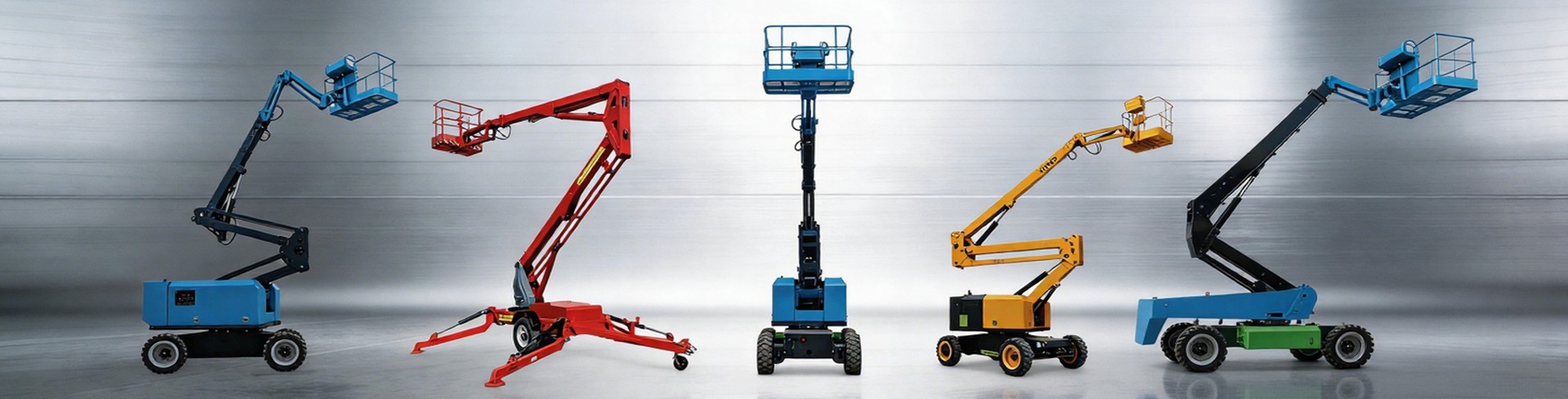
For tasks that demand extended reach and up-and-over positioning, boom lift provides balanced structural design and enhanced wind resistance. Its optimized weight distribution helps maintain control even in variable outdoor conditions.
In addition to machine selection and operation, proper operator training and strict adherence to safety protocols greatly reduce risks. By respecting wind limits, inspecting equipment, and using suitable aerial lifts, teams can maintain high safety standards and complete work efficiently even in challenging windy conditions.
News